TeamViewer File Transfer: A Practical Guide to Secure, Cross-Platform Remote File Sharing
Transfer files with TeamViewer: step-by-step instructions for remote file transfer, drag-and-drop sessions, secure transfers, and cross-platform workflows.
TeamViewer’s file transfer capabilities make it straightforward to move documents, system images, and media between remote devices — and mastering those flows can save IT teams and remote workers hours. This article explains how to transfer files using TeamViewer, compares the available transfer modes, covers platform-specific steps, examines security and performance considerations, and outlines when to choose TeamViewer over cloud storage or other remote-access tools.




What TeamViewer’s file transfer feature does and why it matters
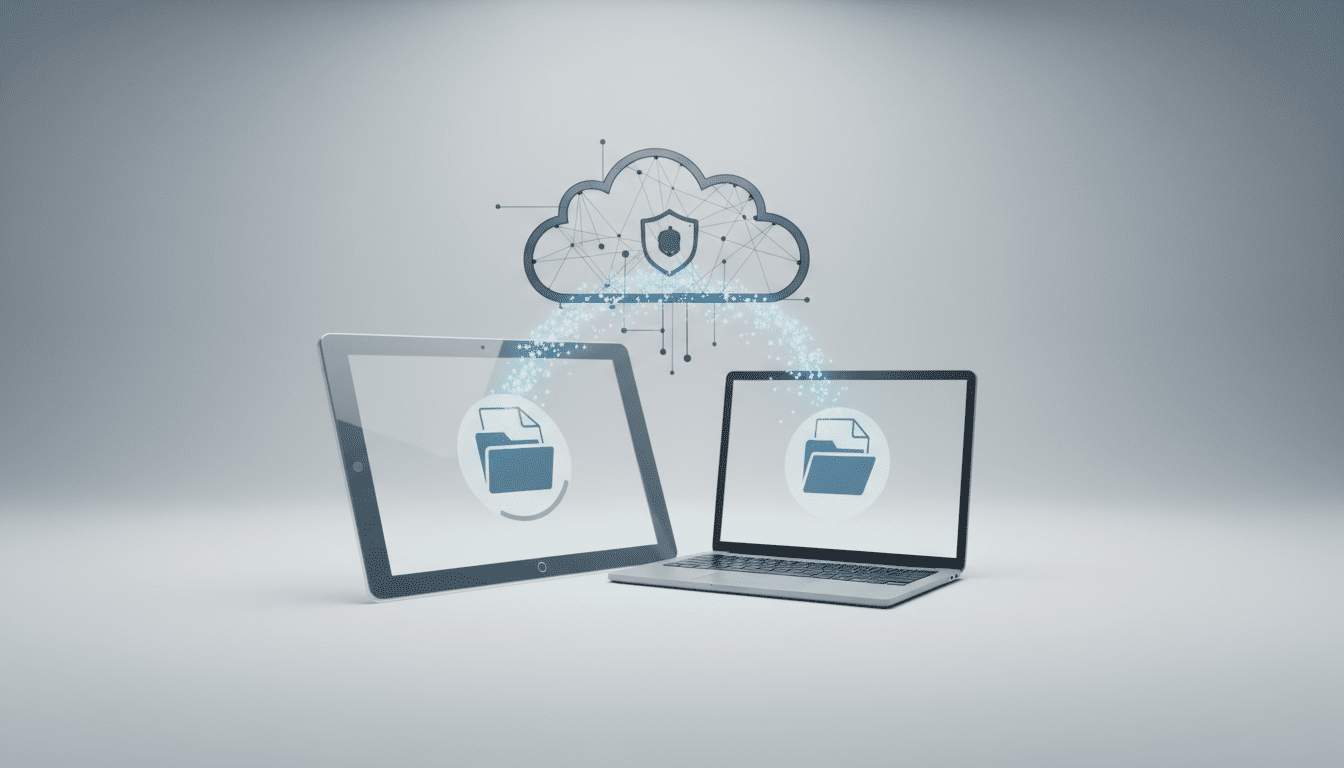
TeamViewer provides two primary ways to move files: a dedicated File Transfer interface and file movement during a Remote Control session. The core value is simple: you can exchange files quickly between geographically separated machines without needing a third-party cloud upload or a VPN. For IT support, managed services, and remote collaboration, that reduces friction around sharing patches, logs, configuration files, and backups. For organizations that must move large files or maintain stringent security controls, understanding the differences between transfer methods and the available controls is essential.
Two transfer modes: File Transfer window versus Remote Control drag-and-drop
TeamViewer exposes file transfer through two workflows. The File Transfer mode opens a dual-pane explorer that displays the local and remote file systems side by side, enabling copy-and-paste or drag-and-drop operations that behave like a standard file manager. Remote Control mode lets you interact with the remote desktop as if you were physically present; dragging a file from your local desktop into the remote desktop transfers it in the background. File Transfer mode is more explicit and useful for batch copies or when you need granular control over source and destination folders. Drag-and-drop is faster for ad hoc, single-file moves during an interactive session.
Step-by-step: how to transfer files using TeamViewer on Windows
- Install and open TeamViewer on both machines, and confirm each device’s ID and password or use assigned devices and trusted devices for unattended access.
- For an explicit transfer: choose File Transfer, enter the remote ID, and authenticate. A dual-pane window appears; navigate to the source folder on the left and the destination on the right, then select files and click Transfer.
- For a drag-and-drop transfer during a remote session: start a Remote Control session, open File Explorer on both ends (or drag from your local desktop), then drag the file into the remote desktop window; TeamViewer handles the transfer.
- Monitor the transfer progress in the transfer dialog: you can pause, resume, or cancel. Completed transfers preserve file integrity; it’s good practice to verify file sizes and checksums for critical data.
- If you frequently move the same folders, use the QuickSteps or Saved Connections feature so you don’t repeat setup tasks.
Transferring files on macOS, Linux, iOS and Android
TeamViewer supports cross-platform transfers but requires awareness of OS-specific behaviors. On macOS, grant TeamViewer accessibility and full-disk access so the app can read and write files. The File Transfer pane looks similar to Windows, but path conventions differ (Volumes vs drive letters). On Linux, GUI distributions will show a native file manager in the dual-pane view; headless servers require SFTP or mounting a share if graphical TeamViewer isn’t available. Mobile transfers are more limited: the TeamViewer QuickSupport and Host apps on iOS and Android allow sending and receiving files, but iOS has sandbox restrictions that may place files in app-specific locations or require exporting to Files. Android is generally more flexible but check device permissions for file and storage access.
Drag-and-drop, clipboard, and temporary file caching tips
Drag-and-drop is convenient, but clipboard transfers also move text and files. When you copy a file, TeamViewer can paste it into the remote desktop if clipboard synchronization is enabled. Be mindful of temporary caching: large files may be staged in temporary directories before final placement; if a transfer fails, inspect temp folders on both sides. For repeatable workflows, use File Transfer mode and verify destination paths explicitly.
Security and encryption: how TeamViewer protects file transfers
TeamViewer encrypts traffic end-to-end using standard cryptographic protocols, ensuring file transfers traverse the network as ciphertext. For enterprise deployments, single sign-on (SSO), two-factor authentication, and device authorization reduce the risk of unauthorized access. Use the trusted devices feature to limit connections, and enforce strong TeamViewer account passwords and access restrictions in the Management Console. For highly regulated environments, combine TeamViewer transfers with endpoint security controls and logging to meet compliance requirements; enable session recording and audit logs to capture transfer activity for forensic review.
Performance considerations and strategies for large files
Network latency, bandwidth, and both endpoints’ disk speeds influence transfer throughput. TeamViewer performs well for moderate-sized files, but extremely large datasets (tens or hundreds of gigabytes) may be more efficient over dedicated file transfer tools (SFTP, rsync, or managed file transfer solutions) or by shipping encrypted drives. To improve throughput: schedule transfers during off-peak hours, use wired connections where possible, compress files into archives before transfer, and split large files into chunks if resuming partial transfers is necessary. Monitor transfer speeds in the TeamViewer dialog and consider the impact of simultaneous remote sessions or screen sharing on bandwidth.
Troubleshooting common transfer problems
If a transfer stalls or fails, check these items: network connectivity and firewall rules, TeamViewer version compatibility between devices, file and path permissions on the destination, and client settings that restrict file access. Ensure the remote device is awake and not in sleep mode, and verify there is sufficient disk space. On macOS, missing permissions for screen recording or file access can block transfers; on Windows, User Account Control may require elevation to write to protected directories. If transfers repeatedly fail, enable logging in TeamViewer and examine log files or recreate the session from a fresh client to eliminate configuration corruption.
Automation, scripting, and enterprise deployment options
For IT teams, automating routine file distribution reduces manual work. TeamViewer’s Management Console and Host deployment packages support silent installation and group policies for device assignment. For scripted transfers, integrate TeamViewer with configuration management tools and remote execution frameworks where possible; however, TeamViewer is not a traditional command-line file transfer utility — for headless automation, consider pairing it with SSH, rsync, or endpoint management platforms. Use the Management Console to create device groups, assign policies, and schedule remote tasks, which makes scaling transfers across fleets of machines more manageable.
When to choose TeamViewer over cloud storage, SFTP, or RDP
TeamViewer is optimized for ad-hoc and support-centric file exchange: it’s ideal when you need to move files while troubleshooting, when direct network access is unavailable, or when you require an interactive session plus a file copy. Cloud storage (Dropbox, Google Drive, OneDrive) is better for ongoing collaboration and shared versioning, while SFTP and rsync are preferable for scripted, repeatable, high-performance transfers and automation. RDP (Remote Desktop Protocol) provides integrated file mapping in Windows environments but may require VPN or firewall configuration that TeamViewer avoids. Evaluate requirements for security, compliance, file size, and automation before deciding.
Licensing, account types, and availability across environments
TeamViewer’s licensing model differentiates between personal and commercial use; businesses typically purchase Business, Premium, or Corporate licenses that unlock features like concurrent sessions, device management, and priority support. Unattended Host installs let machines accept transfers without a user present, while QuickSupport is designed for one-off sessions. Make sure the license you deploy allows the volume of remote sessions and transfer usage your workflows need. Also verify platform support for specific features: some mobile capabilities and macOS permissions have platform limitations that affect transfer behavior.
Developer and integration implications for software teams
For developers building integrations with remote-access workflows, TeamViewer fits into a broader ecosystem that includes remote support ticketing, endpoint management, and automation APIs. Where file transfer becomes part of a release pipeline or remote debugging process, document and automate security approvals, and instrument transfer events in issue trackers and monitoring systems. Developers should also consider alternatives like built-in OS-level file sharing, container image registries, and artifact repositories for delivering software artifacts to production systems.
How TeamViewer’s approach fits industry trends in remote work and security
As companies continue to support distributed teams, remote-access tools that combine screen sharing, remote control, and file transfer have become central to IT operations and collaborative workflows. TeamViewer’s emphasis on secure, cross-platform transfers addresses a recurring need: moving data quickly without erecting complex network infrastructure. However, the industry is shifting toward zero trust architectures and tighter endpoint controls, which affects how remote transfer tools are configured. Organizations must balance the convenience of direct file transfers with policies that enforce encryption, least privilege, and logging to satisfy modern compliance and security expectations.
Practical recommendations for IT administrators and power users
- Use File Transfer mode for batch operations and when you need explicit source/destination control.
- Grant only the minimum TeamViewer access rights necessary and require two-factor authentication.
- For large-scale deployments, automate Host installation and use device groups for targeted transfers.
- Archive and checksum critical files before transfer to verify integrity post-copy.
- Combine TeamViewer with endpoint protection and centralized logging to maintain audit trails.
- Keep TeamViewer clients up to date to benefit from security fixes and performance improvements.
These practices reduce incidents and keep transfers predictable in production environments.
Examples of business use cases where TeamViewer file transfer is effective
- Remote patch deployment to a small number of servers where no centralized update infrastructure exists.
- Collecting log bundles and configuration files from end-user machines for diagnostics.
- Moving presentations, templates, and media assets between distributed design teams during live collaboration.
- Transferring encrypted backups to an on-premises repository when cloud upload policies are restricted.
Each case highlights the interplay between convenience, security, and operational control.
Integrations and adjacent tools to consider for complete workflows
TeamViewer pairs well with ticketing systems (for associating transfer activity with support cases), endpoint management tools (for scalable host deployment), and file integrity utilities (for checksum verification). For long-term file distribution, use artifact repositories or managed file transfer platforms that provide versioning and retention controls. Mentioning related topics like remote access, endpoint security, and file-sharing policies can serve as natural internal links for readers exploring adjacent categories.
Troubleshooting aside, organizations that treat file transfers as operational events — with logging, verification, and access controls — will reduce risk while retaining the convenience that TeamViewer delivers.
Looking ahead, remote file transfer workflows will continue to evolve alongside zero trust networking, stronger device identity, and AI-driven operational tooling. Expect TeamViewer and competing platforms to further integrate with identity providers, offer richer automation APIs for managed file movement, and provide more granular policy controls for data handling. For IT teams and businesses, preparing transfer workflows that include verification, automation, and audited controls will make remote operations both faster and safer in the years to come.