How to Win Exclusive Access on SNKRS: Practical Steps to Increase Your Chances
Get a clear, actionable strategy for earning exclusive access on SNKRS, from account setup and notification tactics to understanding passes, draws, and Nike’s anti-bot changes.
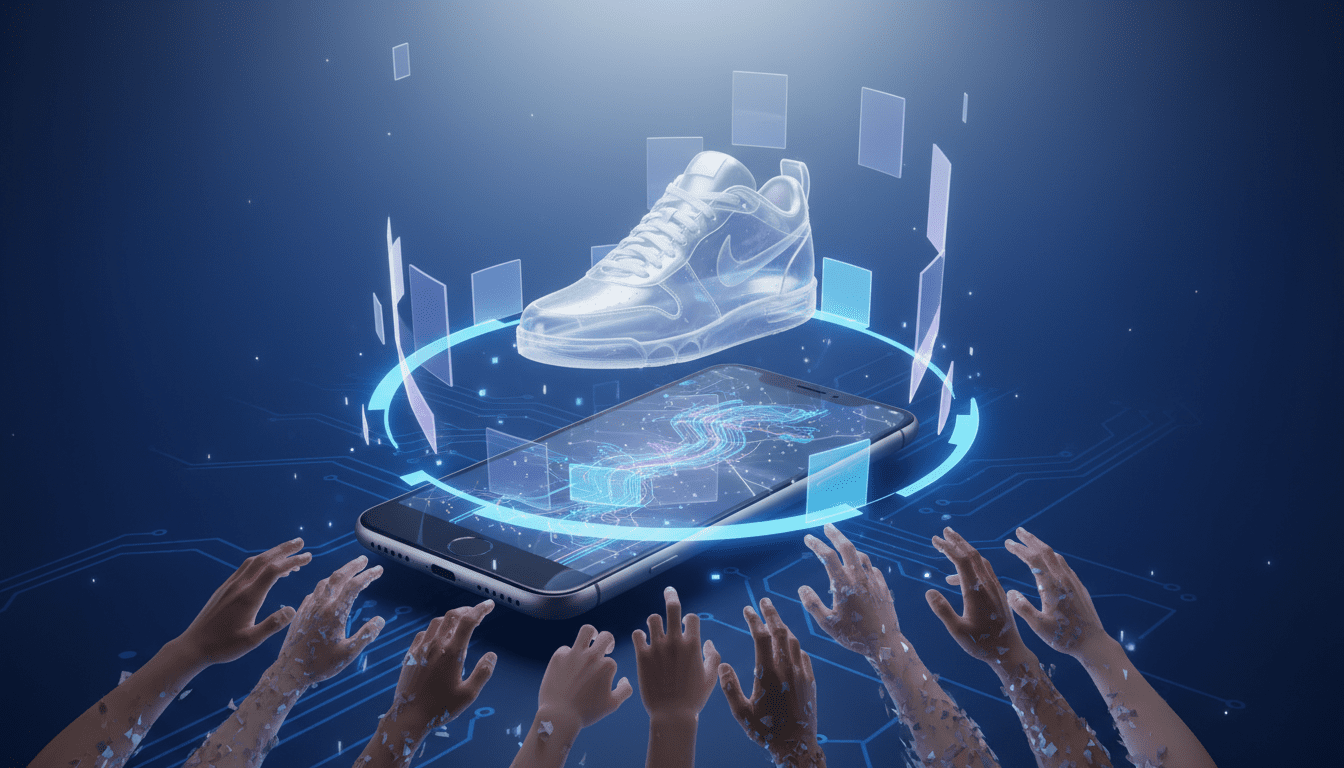
Nike’s SNKRS app remains the central gateway to many of the most desired sneaker releases, and earning exclusive access on SNKRS can be the difference between scoring a pair and watching them sell out. Exclusive access—Nike’s invitation-only window or reservation for a release—arrives through the app and is tied to membership behavior, location-based passes, and release formats; understanding how these pieces fit together and optimizing your account can measurably improve your odds of getting in.(nike.com)



How Exclusive Access Is Delivered and What It Means
Exclusive access on SNKRS is typically an invitation or reservation that appears in the app or via a push notification, giving selected Nike Members an opportunity to buy a limited release before it becomes widely available. These invitations can take different forms—an app-exclusive link, a timed “draw” entry, or a location-based pass for in-store pickup—and they are often targeted based on Nike account activity, past entries, and regional eligibility. Because Exclusive Access is distributed selectively, it isn’t a guaranteed path; instead, it’s a curated opportunity that rewards certain behaviors and circumstances.(snobette.com)
How SNKRS Release Formats Affect Your Chances
Different SNKRS release formats create different odds and strategies:
- Draws: Raffle-style releases require entry during an open window; winners are chosen after the deadline and notified via SNKRS. Make sure you complete entries before the window closes and confirm your account and payment details.(nike.com)
- Shock drops: Unexpected, high-traffic instant releases where speed matters; shock drops favor users who have fast checkout details and immediate notifications.
- SNKRS Pass and SNKRS Stash: Location-based reservations that require you to be within a specific radius of a participating store; if you win a Pass, you typically must pick up the shoes at the store and show ID matching your account.(help.soleretriever.com)
- Exclusive links and codes: Nike sometimes distributes links, codes, or campaign-driven activations to a subset of members; these reduce the open demand pool for a given drop and can bypass traditional queues.(soleretriever.com)
Knowing the format in advance (when possible) helps you choose the right tactics—raffles require careful entry hygiene, while shock drops demand rapid checkout.
Prepare Your Nike Account for Exclusive Access
A well-prepared account is the foundation of any repeatable SNKRS strategy. Take these preparatory steps well before release day:
- Become a Nike Member and sign into SNKRS: Nike membership is the baseline requirement for many Exclusive Access opportunities and drop participation.(nike.com)
- Enable push notifications and app permissions: Exclusive Access invitations are frequently delivered via SNKRS push notifications, so allow notifications and background refresh for the app on your device.(snobette.com)
- Complete your profile and payment details: Add and verify your default shipping address, billing address, and at least one payment method (Apple Pay/Google Pay are often fastest). Save card data where the app supports it to speed checkout.(nike.com)
- Add a clear profile photo and valid ID info if prompted: For SNKRS Pass pickups you may be required to show ID that matches your account; a complete, verifiable profile reduces friction at pickup.(help.soleretriever.com)
- Test the app and payment flow: Run a small purchase on the Nike app or SNKRS to confirm your checkout and shipping settings work smoothly; resolving issues ahead of time prevents last-minute failures.
These steps remove avoidable errors during high-pressure checkouts and improve the reliability of your entries.
Tactics to Improve Real-Time Performance on Drop Day
When a release goes live, small advantages add up. Use the following operational tactics to convert invitations and open drops into purchases:
- Watch the calendar and set alerts: Use the SNKRS calendar and “Notify me” features, and supplement app alerts with calendar reminders on your phone.(nike.com)
- Use high-speed, low-latency internet: A wired Ethernet connection or a reliable 5G/Wi‑Fi 6 network reduces timeouts and long load times during peaks.
- Pre-fill and prefer fast payment: If possible, use Apple Pay, Google Pay, or a saved card for one-tap checkout; manual entry of long card numbers increases failure risk.(nike.com)
- Limit account concurrency: Avoid logging into multiple accounts on the same device and network in ways that trigger security flags; use separate, authenticated devices if you legitimately manage multiple family accounts.
- Use the official app: SNKRS features and notifications are more reliably surfaced in the SNKRS app than on web; Nike’s launch animations and the “Got ’Em” flow are app-native.(nike.com)
- Have backup sizes and stores planned: For SNKRS Pass events, know the nearby pickup locations you qualify for; for shock drops, be prepared to try adjacent sizes if your primary size is unavailable.
These operational details reduce human error and help you react quickly when an opportunity appears.
How Location-Based Passes Work and How to Qualify
SNKRS Pass and SNKRS Stash events are geofenced activations that confirm your physical proximity to a participating retail location. When Nike runs these activations, the app checks your device’s GPS to see whether you are within the established radius—commonly around 25–30 miles—of an eligible store. Winners must typically pick up their reservation in person and present identification that matches the SNKRS account used to reserve the pair. Because location is a gating factor, living near Nike retail footprints or planning to be near an eligible store on pickup day materially increases your chances.(help.soleretriever.com)
What Nike Says and Official Tips to Improve Odds
Nike’s official guidance reinforces basic hygiene: sign in as a Nike Member, enable SNKRS notifications, ensure payment details are up to date, and use the app for launch experiences. The company also notes that different release formats—draws, passes, drops—have distinct mechanics, so being attentive to the format announced for a release will inform your approach. These are practical, low-risk steps that are within Nike’s own recommendations for members trying to improve their success rate.(nike.com)
What to Avoid: Bots, Shortcuts, and Risky Workarounds
The competitive sneaker market has produced automated tools and services promising better odds, but there are ethical, legal, and account-risk reasons to be cautious:
- Bots and scripted automation: Using third‑party bots to automate large-scale entries or fast checkouts often violates Nike’s terms of service, can result in account bans, and fuels the resale market that manufacturers are trying to curb. Nike continually updates anti-bot measures to limit these tools.(soleretriever.com)
- Location spoofing and proxy tricks: Misrepresenting your location or using proxy networks to bypass geofencing can lead to canceled orders or account restrictions. For SNKRS Pass pickups, Nike confirms physical presence at pickup time, which defeats simple spoofing.(help.soleretriever.com)
- Resale marketplaces and scalper services: Purchasing through third parties or third-party “reservation” services introduces risk, and Nike has been altering drop methods to reduce easy scalper wins.(soleretriever.com)
A sustainable approach is to optimize legitimate account behavior rather than rely on shortcuts that can jeopardize access and community fairness.
Nike’s Evolving Drop Mechanics and Anti-Resale Measures
Nike has experimented with new drop mechanics in recent years to make releases fairer and harder for automated resellers. Methods like SNKRS Link, campaign codes, and other staggered or targeted activations are part of a broader effort to diversify release formats and reward authentic engagement over mass automation. These systems aim to reduce predictable mass checkouts and make it harder for resale-focused automation to dominate the most hyped drops. For members, this means paying attention to Nike’s campaign messaging and app stories—some opportunities are distributed through brand storytelling and engagement rather than a single public queue.(soleretriever.com)
Developer and Technology Perspective: Anti-Bot Design and Detection
From an engineering standpoint, launching limited-product releases to millions while preserving fairness is a hard systems problem. Platforms like SNKRS combine behavioral heuristics, device fingerprinting, rate limiting, geofencing, and machine-learning models to detect non-human patterns and suspicious clusters of activity. These techniques intersect with broader trends in security software, fraud detection, and automation platforms. Developers working on commerce platforms can learn from SNKRS’ mixed approaches: diversify release formats, instrument client telemetry carefully, and balance friction against legitimate user experience. AI tools that analyze traffic patterns and anomaly detection systems are increasingly used to spot coordinated botnets and proxy farms; however, as detection improves, adversarial actors evolve, so product teams must treat anti-bot measures as an ongoing arms race.(soleretriever.com)
Business and Market Implications for Brands and Retailers
SNKRS-style release systems illustrate how scarcity can be engineered to drive engagement and brand storytelling, but they also create secondary market dynamics and user frustration when perceived as unfair. For businesses, the lessons are:
- Use targeted access to reward loyal customers and increase lifetime value through membership features (CRM integration and marketing software can help surface high-value users).
- Diversify release channels—online, in-app, in-store—to reach different customer segments and reduce single-channel overload.
- Monitor resale impacts and adjust release formats; anti-resale tactics like reservation passes and invite-only links change the economics of aftermarket markets.
These dynamics place demands on product teams, e-commerce infrastructure, and marketing operations to coordinate campaigns that are both technical and community-savvy.
Practical Checklist: Day-Before and Drop-Day Actions
To convert preparation into results, use this checklist:
- 24–48 hours before: Confirm Nike Member sign-in, verify shipping and billing addresses, and save a fast payment method.
- 1 hour before: Ensure phone battery, signal strength, and app notifications are active; clear app cache if needed.
- At drop time: Open the SNKRS app (avoid deep links that might open web views), have alternate sizes chosen, and proceed calmly—rushing can trigger mistakes.
- If you win a SNKRS Pass: Read pickup details carefully, bring valid photo ID that matches your account, and arrive within the scheduled window.(help.soleretriever.com)
These small, repeatable practices help reduce human error and make your entries count.
Security and Privacy Considerations
Because SNKRS sometimes requires sensitive data like billing addresses and may verify identity for passes, protect your account with strong, unique passwords and two-factor authentication where available. Avoid sharing login credentials or giving third-party services full access to your account. On the privacy side, SNKRS relies on location data for passes and stashed activations; review app permissions and consider the trade-offs between location-based opportunities and personal privacy. Security software, password managers, and device-level biometric locks all improve the safety of your account and payment methods.
How Third-Party Tools Fit Into the Ecosystem
There are legitimate third-party tools and services that assist with notifications, release tracking, and community calenders—these can complement SNKRS by aggregating drop calendars, sending multi-channel alerts, or providing analytics on past releases. Marketing and CRM teams may integrate those signals into campaigns to reengage members or to craft targeted offers. However, differentiate between supportive tools (alerting, calendars, analytics) and tools that promise unfair automation; the former are widely accepted, the latter risk policy violations and account penalties.
Broader Implications for Consumers, Developers, and Platforms
SNKRS-style systems are a microcosm of modern digital marketplaces where scarcity, community, and fairness collide. For consumers, these systems reward engagement and familiarity with platform mechanics—but they also expose tensions around access and equity. For developers and product managers, SNKRS demonstrates the importance of flexible release engineering and layered anti-fraud systems that pivot as adversaries adapt. For businesses, the interplay between primary-market sales and secondary-market reselling is increasingly a strategic variable: release mechanics impact brand perception, customer loyalty, and revenue distribution across channels. AI-driven fraud detection, orchestration across marketing and CRM stacks, and resilient infrastructure are all becoming standard investments for companies that run limited drops and timed inventory releases.(soleretriever.com)
Ethical and Community Considerations
Beyond technical mechanics, the SNKRS ecosystem is sustained by a community of collectors, athletes, and casual buyers. Practices that diminish community trust—widespread botting, opaque allocation algorithms, and unfair resale practices—risk long-term damage to brand equity. Nike’s experimentation with targeted invitations and interactive campaigns is as much about restoring trust and storytelling as it is about thwarting scalpers. Members who optimize their accounts and follow official guidance help reinforce a healthier market where authentic users have a better shot at releases.
There’s value in learning more about related topics in our sneaker release strategy guides and platform-ownership analysis if you want deeper technical detail or use cases across retail software and membership programs.
Nike has changed aspects of how it distributes limited releases and is likely to continue iterating on drop methods and protection techniques; staying informed about release mechanics, keeping account info current, and practicing good digital hygiene are the most reliable ways to improve your chances of exclusive access.(nike.com)
As release mechanics evolve, expect several trends to shape the next wave of SNKRS and retail drop platforms: more personalized, behavior-driven allocations that reward legitimate fans; increased use of AI and device-level signals for fraud detection; and a continued tension between instantaneous shock drops and curated, story-driven launches that emphasize community engagement and in-person experiences. These shifts will affect not only how sneakerheads chase drops, but also how brands, engineering teams, and marketing operations design fairness and loyalty into their commerce systems—creating new opportunities for tools that blend CRM, security, and engagement while keeping user experience front and center.