Netflix APK on Android: A Secure, Step-by-Step Guide to Sideloading and Preserving DRM Support
Safely install Netflix APK on Android with clear sideloading steps, source checks, DRM notes, and simple tips to minimize security and compatibility risks.
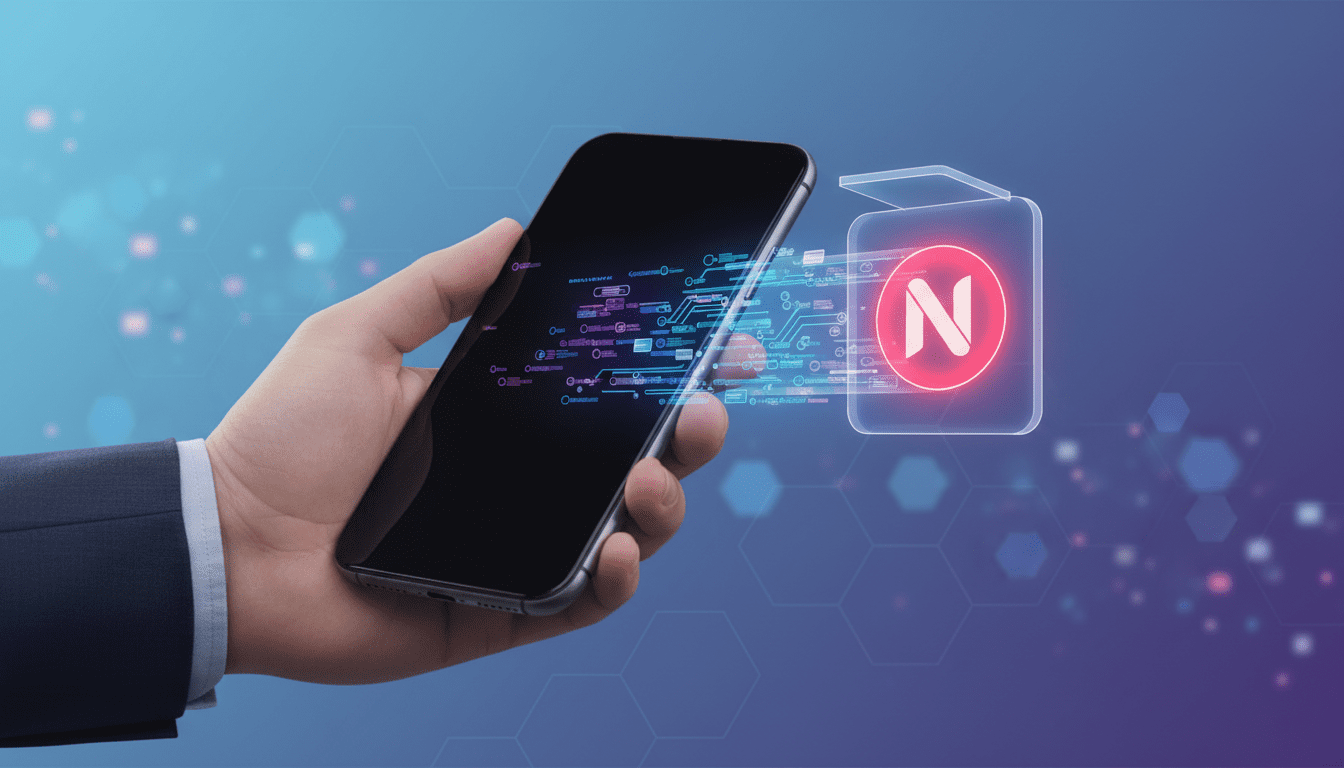
Netflix remains the dominant streaming app on Android devices, but there are legitimate scenarios where users need to install the Netflix APK directly rather than through the Google Play Store. Whether you’re restoring an older device, using a device without Play Services, or troubleshooting a region-restricted install, this guide explains how to install Netflix APK on Android safely, what to watch for during the process, and how to preserve DRM capabilities so playback quality and protected content continue to work.
Why someone might sideload Netflix and what it changes
Sideloading an APK means installing an Android application package file directly onto the device rather than using an app store. People sideload Netflix when the Play Store is unavailable, when a device ships with a vendor app store, or when an update roll-out is blocked in a region. Sideloading can restore app access quickly, but it changes the update path and increases responsibility for verifying the app’s authenticity, maintaining security, and ensuring compatibility with Widevine DRM used for protected streaming.
Before you begin: prerequisites and safety checklist
Before attempting to install the Netflix APK, confirm these items:
- Back up any important data and app settings.
- Remove any partially installed or Store-sourced instances of Netflix (conflicting signatures can block installs).
- Know your device model and Android version—different manufacturers expose the “unknown sources” setting differently.
- Use a reputable source for the APK and, when possible, obtain a checksum or signature to verify integrity.
- Be aware that sideloaded apps won’t automatically update via Google Play; plan for manual updates or alternative update channels.
- Consider device security: run an antivirus scan on the APK with a trusted scanner or upload it to a scanning service before installing.
How to prepare your Android device for an APK install
Android security controls have evolved from a single “Unknown sources” toggle to per-app permissions. On modern Android releases you’ll grant one app (typically your browser or file manager) the right to install packages. Follow these general steps:
- Open Settings and search for “Install unknown apps” or “Install other apps.” On older Android versions this may appear under Security as “Unknown sources.”
- Choose the app you will use to download or open the APK (e.g., Chrome, Firefox, Files).
- Toggle the permission to allow installs from that source.
- Keep the permission limited to that app and disable it again after installation to reduce risk.
If you prefer not to change install permissions, advanced users can use ADB from a computer: enable Developer Options, toggle USB debugging, and run adb install
Step-by-step sideloading procedure (safe, practical workflow)
-
Uninstall conflicting Netflix installations
- If Netflix is already installed from a different channel (e.g., Play Store or an OEM store), uninstall it first to avoid signature mismatch errors. Open Settings > Apps, locate Netflix, and tap Uninstall.
-
Obtain the APK from a trustworthy source
- Prefer reputable archives that preserve developer signatures and provide checksums. Avoid obscure download sites that bundle adware or modified binaries. If you’re unsure about a source, seek a mirrored official build or consult device-specific developer communities for recommendations.
-
Verify the file before opening
- Compare the APK’s SHA-256 or MD5 checksum with the value provided by the source. On a computer, you can run sha256sum
(Linux/macOS) or use a checksum utility on Windows. Only proceed if the checksum matches.
- Compare the APK’s SHA-256 or MD5 checksum with the value provided by the source. On a computer, you can run sha256sum
-
Download the APK on your Android device
- Use your preferred browser and ensure the download completes. Keep an eye on the file name and size; unusually small packages or double extensions (e.g., .apk.zip) are suspicious.
-
Install the APK
- Tap the downloaded file from the notification tray or locate it in Files. The Android Package Installer will open. Review requested permissions, then tap Install.
- If installation is blocked, check the “Install unknown apps” permission for your browser or file manager and enable it temporarily.
-
Restore settings and disable unknown-source permission
- After installation completes, test Netflix by launching it and signing in. When you’re satisfied the app functions, go back to Settings and disable the ability to install unknown apps from the source you used.
- Maintain updates
- Because sideloaded apps do not receive Play Store updates automatically, periodically check for newer APKs from reputable sources, verify checksums, and repeat the install to update. Alternatively, use an alternative app store that you trust for updates.



Preserving DRM and playback quality with Netflix
Netflix uses Widevine DRM to protect premium streaming content. On many devices, DRM behavior depends on both the app build and the device’s DRM module. When you sideload:
- Use an APK build that is compatible with your device architecture (arm64-v8a, armeabi-v7a, etc.).
- Expect that HD playback and certain codecs are controlled by device certification and Widevine level (L1 vs L3). Sideloading the app doesn’t raise or lower your device’s Widevine level; it only supplies the app layer.
- If you encounter errors about protected content or limited resolution, verify your device’s DRM status via diagnostic tools and ensure system components (media frameworks) are up to date.
Troubleshooting installation failures and runtime problems
- “App not installed” or signature conflict: This occurs when an existing installation has a different signing certificate. Uninstall the previous app or use the adb install -r -d command for developer-level reinstalls.
- Play Protect or installer blocks: If Google Play Protect intervenes, it may be indicating a potentially unsafe file. Reassess the source and checksum before overriding warnings.
- Crashes on launch: Clear app data and cache, then try a fresh install. If crashes persist, check logcat (via adb) for specific exceptions, or try an earlier Netflix APK version that’s known to work on your Android release.
- Login failures or DRM errors: Update system components, confirm network access, and verify device date/time. Some login issues resolve after a network reset or by reinstalling the app.
- Playback quality issues: These are often tied to Widevine certification. If the device is uncertified or rooted without proper measures, streaming quality can be downgraded.
Security, legal, and policy considerations
Sideloading carries inherent risks and responsibilities:
- Security: Installing apps from unknown or untrusted sources can expose your device to malware. Always verify checksums and prefer repositories that preserve cryptographic signatures.
- Privacy: Side-loaded apps can request extensive permissions. Inspect the permission set during installation and be cautious about granting system-level privileges.
- Terms of service: Ensure that installing a specific APK does not violate Netflix’s terms or local law. Sideloading for legitimate compatibility reasons is generally acceptable; using modified or cracked APKs to bypass paywalls is both illegal and dangerous.
- Corporate devices: If your phone is managed by an employer’s MDM or enrolled in an enterprise profile, coordinate with IT before sideloading to avoid breaking compliance or remote management.
Developer and industry implications of sideloading trends
App sideloading remains an important part of the Android ecosystem, especially for developers and companies distributing beta builds, region-specific releases, or enterprise software. The practice highlights several industry pressures:
- Distribution diversity: Device manufacturers and alternative stores increase competition with the Play Store. This affects monetization and update delivery for streaming services and other consumer apps.
- Security arms race: As sideloading remains available, both platform vendors and security firms continue developing heuristics, machine-learning scanners, and automation platforms to detect malicious packages faster.
- Developer tooling: Tools like ADB, automated build pipelines, and CI/CD systems simplify producing clean APKs for sideloading while maintaining reproducibility and signature integrity.
- Business continuity: Businesses that rely on direct app distribution must account for update cadence, customer support for diverse install paths, and maintaining DRM compliance across device families.
Who benefits from sideloading Netflix and when it makes sense
Sideloading is most useful for:
- Owners of devices without Google Play Services (certain tablets, forks of Android, and some smart TVs).
- Users in regions where Play Store distribution is restricted or delayed.
- Developers and testers who need a specific app version for debugging or QA.
- Users recovering functionality after a Play Store update introduced regressions.
If you can install Netflix from an official app store, that is typically the safer and more convenient choice. Sideloading is a practical fallback for the scenarios above.
Alternatives to sideloading and how to reduce risk
- Use the device manufacturer’s app store when available (Samsung Galaxy Store, Amazon Appstore) as they often curate apps and provide update mechanisms.
- If Play Store is installed but the app refuses to install, clearing Play Store cache, checking region settings, or temporarily switching to a VPN (with caution and adherence to terms) can resolve availability issues.
- For advanced users, deploy the app via MDM or private app catalogs for consistent enterprise-grade distribution.
- For one-off installs, prefer APK archives that publish cryptographic signatures and maintain a published history of builds.
Practical integration with related tools and workflows
- Developer tools: Use CI pipelines to export signed APKs and generate SHA-256 checksums automatically so testers can verify packages reliably.
- Security software: Scan every APK with a reputable mobile threat detection solution or multiple scanning services before installation.
- Automation platforms: Teams can automate deployment of test builds to device farms or internal testers using distribution tools that mirror the sideloading workflow without manual downloads.
- Productivity and CRM: For businesses delivering content or onboarding flows tied to streaming apps, document the supported install paths in internal documentation to assist support agents and product teams.
When sideloading isn’t the right solution
Avoid sideloading if:
- You lack the technical confidence to verify files and revert changes.
- You are attempting to run modified or unverified builds that bypass licensing.
- Your device contains sensitive corporate data and is under strict compliance policies.
In those cases, pursue official store installation, contact Netflix support, or work with device vendor support for an approved solution.
Wider consequences for users, developers, and businesses
Sideloading remains a balancing act between openness and security. For users it preserves control and enables device longevity, especially for devices no longer supported by app stores. For developers and platform owners, the possibility of direct installs requires transparent signing practices, clear release notes, and robust mechanisms for verifying authenticity. For businesses, sideloading underscores the need for secure distribution workflows, whether for public apps or private enterprise tools.
The future of app distribution will likely see closer integration between platform-level protections and alternative delivery channels: stronger package-signature verification, more granular install permissions, and improved mechanisms for trusted side-channel updates. Streaming services like Netflix may also explore more resilient delivery methods that maintain DRM fidelity across a wider set of devices, reducing the need for manual installs.
Looking ahead, Android’s distribution landscape will continue to evolve—expect ongoing changes to package management, tighter security controls around unknown sources, and better tooling for developers to publish and verify builds. For users who must sideload, following a disciplined process—verify, install, test, and revert permissions—will remain the safest path. As app ecosystems mature, these practices help protect both personal privacy and the integrity of premium streaming experiences.