CCleaner: A Practical Guide to Safely Analyze and Remove Junk Files and Reclaim Disk Space
Step-by-step guide to using CCleaner: analyze temporary files, review items, run the cleaner, and confirm deletion to free disk space and protect privacy.
Why CCleaner Still Matters for Everyday PC Maintenance



CCleaner is a well-known tool for removing temporary files and other digital clutter from a computer; knowing how to use CCleaner to analyze and run a clean safely helps you reclaim disk space, reduce privacy exposure, and keep routine maintenance simple. Whether you are troubleshooting low storage, preparing a machine for an update, or simply pruning accumulated temporary files, the core workflow—installing the app, selecting categories, running an analysis, reviewing results, and confirming the clean—covers what most users need to maintain a responsive system.
How CCleaner Identifies Files for Removal
When you ask CCleaner to scan a system, it looks for common categories of nonessential data: browser caches and histories, temporary system files, log files, and other items that applications leave behind during normal use. The Analyze step produces an inventory of candidate files without making changes, giving you a clear preview of what would be removed. This preview is the critical control point: it lets you confirm that nothing important will be deleted before the cleaner runs.
Installing CCleaner and Preparing Your System
Start by installing CCleaner on the computer you plan to maintain. During installation, take a moment to read each screen and decline any optional offers you do not want. After installation, open CCleaner and allow it to enumerate drives and installed applications; this lets the tool build the categories you will later select or exclude. If you manage multiple user accounts or external drives, check that CCleaner has permission to access the locations you intend to scan.
Choosing Categories and Exclusions Before Cleaning
CCleaner organizes removable items into categories such as browsers, system, and application caches. Before you run any cleanup, review these categories and uncheck anything you want to preserve—saved session data, site logins, or files used by running apps. Unchecking items is the safest way to customize the clean: use the Analyze preview to verify your selections. If you are uncertain about a category’s contents, leave it unchecked or research what files it targets; conservative choices reduce the chance of losing data you want to keep.
What the Analyze Step Does and Why You Should Always Use It
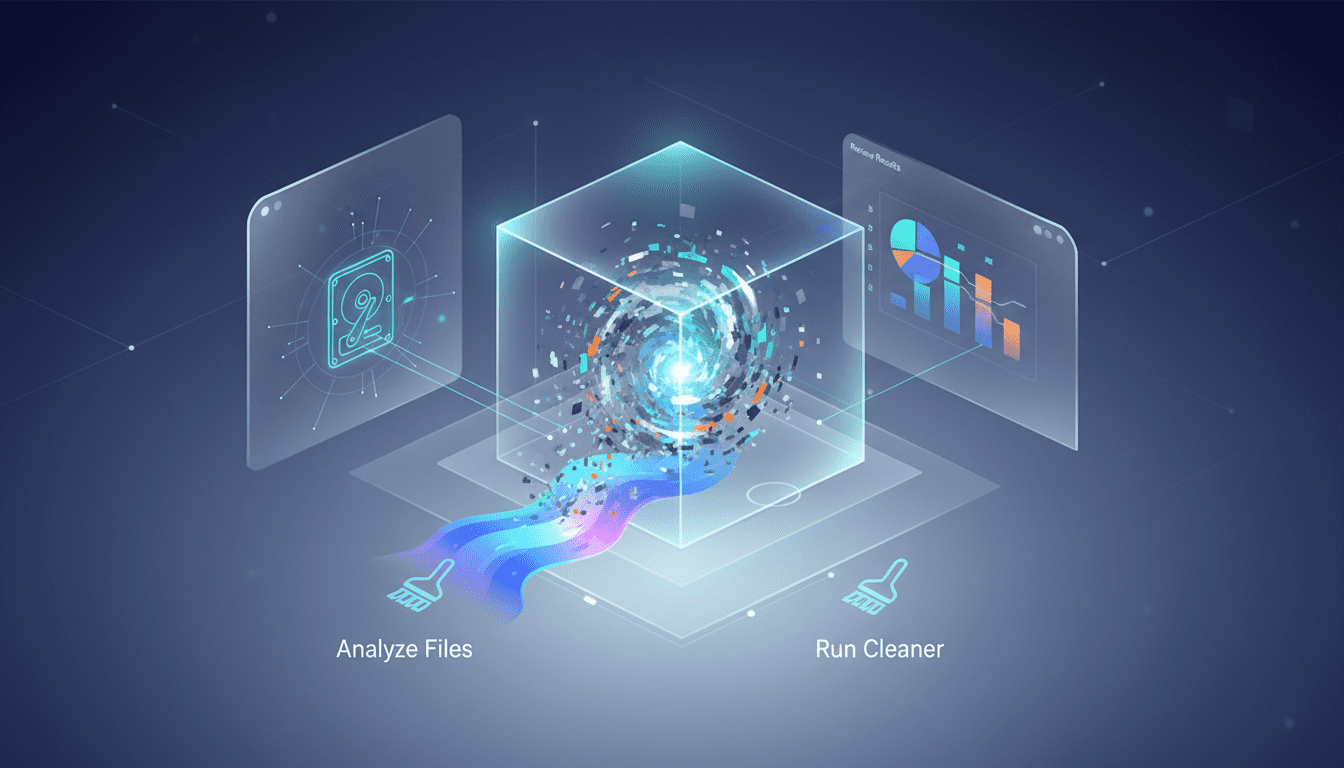
Clicking Analyze tells CCleaner to scan the selected categories and build a list of files and folders it proposes to remove. This step is non-destructive and essential because it gives you a precise accounting of potential deletions: file names, sizes, and total space that would be reclaimed. Use this report to spot anything unexpected—large media files, recently modified project files, or other items that may have been captured by a broad category—and adjust selections accordingly. Treat Analyze as your final check before any irreversible action.
Running the Cleaner: Confirming and Executing the Cleanup
Once you’ve reviewed the analysis and adjusted selections, choose Run Cleaner to start the deletion process. CCleaner will prompt you to confirm the action; this is another safeguard. Confirming initiates the removal of files identified in the analysis. Depending on how much data is targeted, the operation can be instantaneous or take several minutes. When the process finishes, CCleaner typically reports the total space freed and may list key items removed. Record these results if you track system maintenance or disk usage trends.
Who Should Use CCleaner and When It’s Most Helpful
CCleaner is useful for a broad set of users: home users reclaiming storage, IT staff preparing systems for imaging, and anyone who prefers periodic manual maintenance over automated background cleanup. It’s especially helpful before large OS updates, when troubleshooting low-disk warnings, or when handing a device to another user and you want to reduce private traces such as recent browsing activity. That said, less experienced users should proceed cautiously—review analysis results carefully and avoid sweeping deletions of categories that touch user data.
Practical Decision Points: What to Keep and What to Remove
When deciding what to remove, think about recent activities and ongoing projects. Keep browser cookies and session data if you want to stay signed in to frequently used services; uncheck those categories when preserving convenience matters more than privacy. Preserve cache or temporary files for software you’re actively developing or debugging, because some caches accelerate app workflows. Conversely, clear temp installers, crash logs, and unneeded caches for apps you no longer use—these are typically safe to remove and offer immediate disk space gains.
Backing Up and Minimizing Risk
Before making sweeping changes, create a simple backup of irreplaceable data—documents, photos, and project directories—so you can recover if something important is inadvertently removed. CCleaner’s Analyze step reduces risk, but backups provide insurance for edge cases. For environments where configuration integrity matters (development workstations, servers, or devices used by multiple users), document your cleanup selections or export settings so you can reproduce a safe configuration later.
Security and Privacy Considerations
Cleaning temporary files reduces traces that could reveal browsing history, file activity, or other privacy-sensitive signals. However, cleaning alone is not a substitute for stronger privacy practices like using encryption, secure deletion for highly sensitive files, or privacy-focused browsers when needed. Use CCleaner as part of a layered approach: combine routine cleanup with secure deletion tools for confidential data and strong endpoint security to prevent unauthorized access.
Integration with Maintenance Workflows and Automation
In routine IT workflows, CCleaner’s manual analyze-and-run cycle can be incorporated into scheduled maintenance windows—after business hours or before automated backups. While this article focuses on the interactive process, consider documenting your chosen categories and creating a repeatable schedule for manual checks. For teams, integrate cleanup steps into onboarding/offboarding procedures so systems handed between users don’t retain unnecessary personal data.
Developer and IT Implications
Developers and IT professionals should view CCleaner as a lightweight tool for reclaiming nonessential storage and speeding simple diagnostic work. For development environments that rely on build caches or package managers, be cautious: automatic cleaning can remove caches that speed builds and test runs. In enterprise settings, coordinate cleanup policies with configuration management and endpoint security tools to avoid conflicting actions. For deeper system optimization or diagnostics, pair CCleaner usage with developer tools and logs to get a full picture of performance and file provenance.
Comparing CCleaner to Other Maintenance Tools
Disk cleanup and privacy utilities vary in scope and risk profile. Some tools focus strictly on storage reclamation, others offer registry edits or system optimization routines. When comparing tools, prioritize ones that provide transparent previews of changes (the Analyze step is an important example), clear restoration paths, and reputable support. Use phrases like disk cleanup tools, privacy and security utilities, or system maintenance utilities when exploring alternatives in your organization’s knowledge base.
Troubleshooting Common Issues After a Clean
If an app behaves unusually after a clean—missing cache that slows startup, or reset preferences—check whether the category responsible was selected and adjust for future runs. If disk space gains are smaller than expected, rerun the Analyze step with expanded categories or inspect large user folders manually. For permission errors or access-denied messages, ensure CCleaner has the right privileges or run the application with an administrator account when appropriate.
Monitoring Impact: Measuring Space and Performance Changes
Track free disk space before and after cleaning to quantify the benefit of each run. If you maintain multiple machines, record cleaned space over time to identify patterns—certain applications may accumulate large caches that warrant targeted management. Performance improvements from cleaning are often modest unless storage was nearly full; freeing substantial disk space can, however, remove fragmentation pressure and help system responsiveness.
Business Use Cases and Operational Considerations
For small businesses and IT teams, CCleaner can simplify routine desktop maintenance, reduce help-desk tickets about low disk space, and remove personal traces from shared machines. When used in regulated environments, align cleaning practices with data retention policies: ensure logs or artifacts required for auditing are preserved, and avoid deleting files that may be needed for compliance. Document cleaning policies, record what categories are excluded, and train staff on safe usage to avoid accidental data loss.
How the Tool Fits with Broader Technology Ecosystems
CCleaner is one piece of a broader maintenance and security ecosystem. Pairing routine cleanup with endpoint protection, backup systems, and automation platforms creates a resilient environment. For example, integrating cleanup steps into device provisioning workflows or automation platforms ensures new images start from an expected baseline. Developers working with large datasets or continuous integration pipelines should coordinate cache and temp file policies with build servers and version control systems to avoid adverse interactions.
Practical Reader Questions Addressed in Context
What does CCleaner do? It identifies and removes temporary and nonessential files across selected categories. How does it work? The tool analyzes selected areas first and shows a removable-items report; only after confirmation does it perform deletions. Why does it matter? Regular cleanup reclaims disk space and reduces easily accessible traces of activity. Who can use it? Everyday users, IT staff, and administrators who understand selection and review procedures can benefit. When should it be used? Use it when disk space is low, before major updates, or periodically as part of maintenance routines.
When to Avoid Aggressive Cleaning
Avoid sweeping cleans right before critical tasks or when active projects are running from the same machine—deleted temporary files may slow or interrupt those tasks. For machines used to develop or test software, be selective about cache and temp file categories, since removing them can increase build times. When in doubt, perform an Analyze and keep questionable categories unchecked until you confirm they are safe to remove.
Documenting and Repeating a Safe Cleanup Routine
Create a checklist that records which categories you routinely clear and which you exclude. Keep notes about exceptions—applications that lose important session data, or drives that require different handling. This documentation serves as an internal link point to related policies like device hygiene, backup schedules, and privacy practices.
Evaluating Results and Adjusting Over Time
After a few runs, review how much space each category typically contributes to reclaimed storage. If a particular app’s cache grows rapidly, consider addressing that app directly or automating cache rotation within the app itself. Use the Analyze reports to refine your selections and minimize manual oversight while preserving important data.
Looking ahead, routine tools for disk cleanup and privacy management will continue to evolve alongside operating system features and cloud-based storage models. Expect maintenance workflows to increasingly emphasize automation, safer previews, and tighter integration with security platforms and backup systems so users can reclaim space without risking data loss. As endpoints become more diverse and cloud storage permeates personal and business environments, the role of a transparent analyze-and-confirm process—like the one CCleaner provides—will remain a useful pattern for balancing convenience, privacy, and safety.